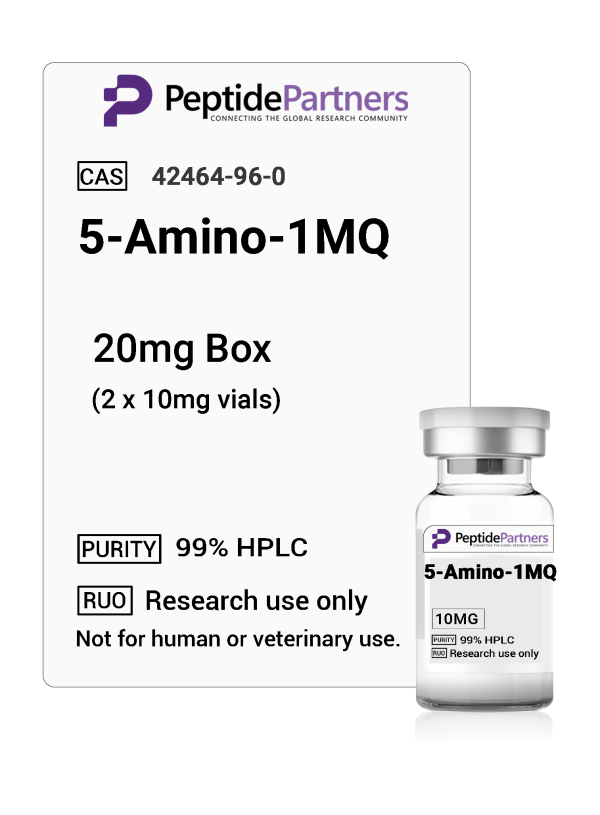
5-Amino-1MQ (10mg vials)
$56.00–$195.00
SELECT OPTIONS
Home / Shop
Showing all 36 results
$56.00–$195.00
SELECT OPTIONS
$134.00–$520.00
SELECT OPTIONS
$106.00–$780.00
SELECT OPTIONS
$335.00–$1,050.00
SELECT OPTIONS
$117.00–$888.00
SELECT OPTIONS
$224.00–$880.00
SELECT OPTIONS
$220.00–$877.00
SELECT OPTIONS
$75.00–$305.00
SELECT OPTIONS
$216.00–$792.00
SELECT OPTIONS
$150.00–$900.00
SELECT OPTIONS
$182.00–$770.00
SELECT OPTIONS
$285.00–$976.00
SELECT OPTIONS
$260.00–$3,090.00
SELECT OPTIONS
$124.00–$1,000.00
VIEW PRODUCT DETAILS
$230.00–$1,512.00
SELECT OPTIONS
$165.00–$720.00
VIEW PRODUCT DETAILS
$82.00–$577.00
SELECT OPTIONS
$240.00–$975.00
SELECT OPTIONS
$88.00–$320.00
SELECT OPTIONS
$300.00
SELECT OPTIONS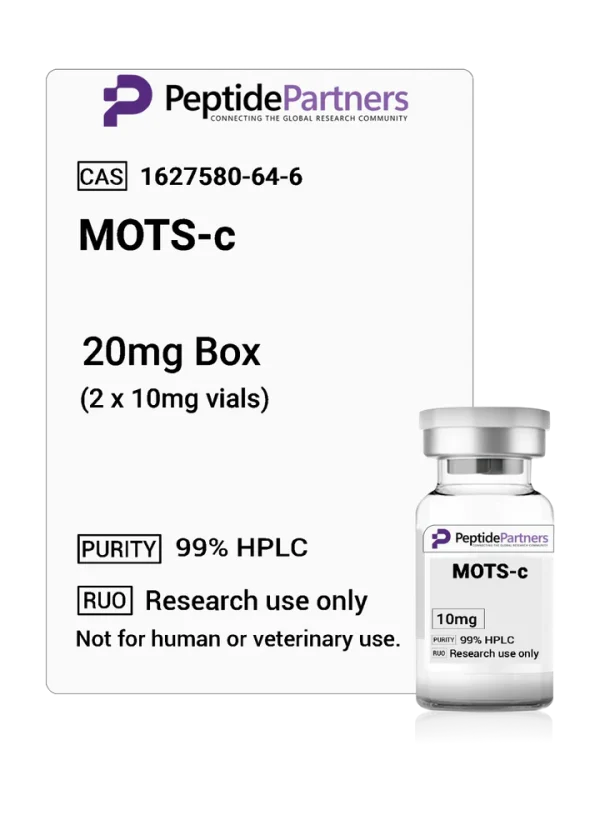
$79.00–$338.00
SELECT OPTIONS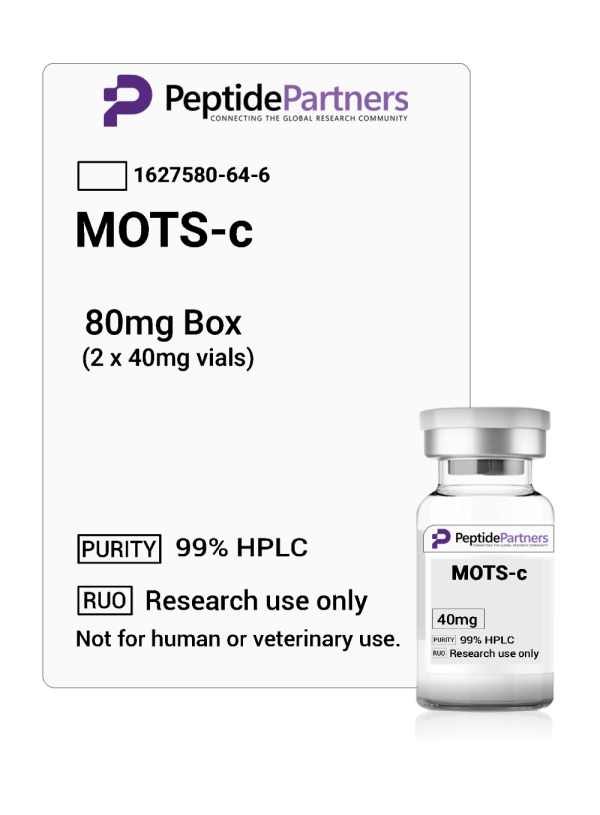
$252.00–$800.00
VIEW PRODUCT DETAILS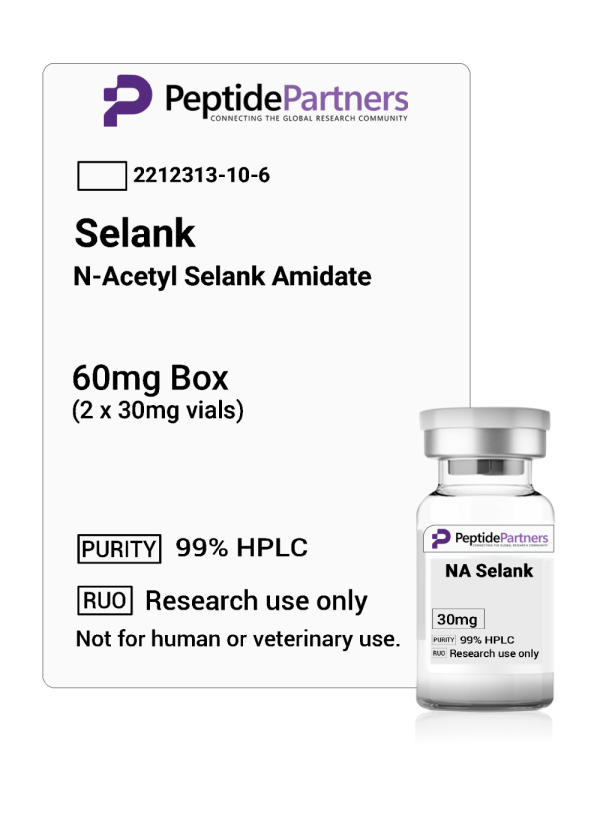
$234.00–$1,380.00
VIEW PRODUCT DETAILS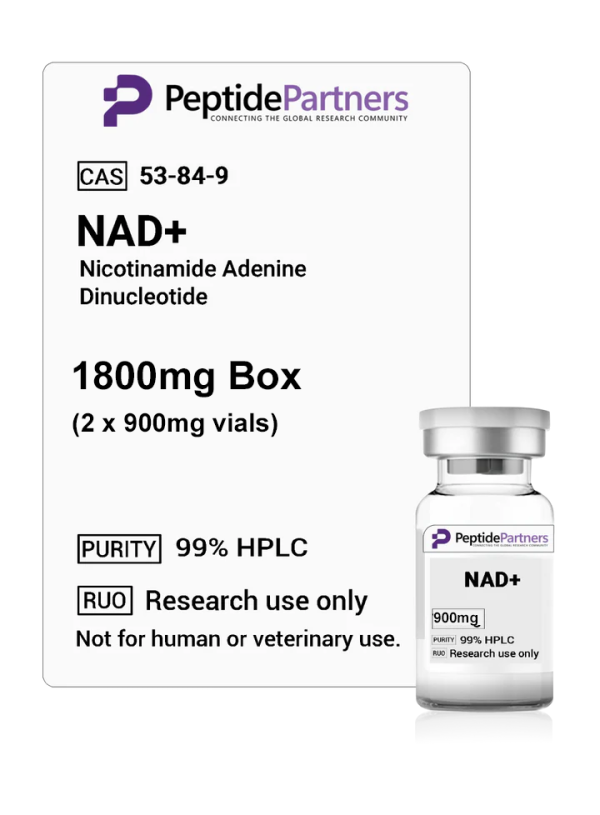
$198.00–$738.00
SELECT OPTIONS
$100.00–$340.00
VIEW PRODUCT DETAILS
$84.00–$320.00
SELECT OPTIONS
$29.00–$115.00
VIEW PRODUCT DETAILS
$60.00–$230.00
VIEW PRODUCT DETAILS
$98.00–$797.00
SELECT OPTIONS
$110.00–$450.00
SELECT OPTIONS
$320.00–$1,125.00
SELECT OPTIONS
$130.00–$490.00
SELECT OPTIONS
$122.00–$898.00
SELECT OPTIONS
$98.00–$370.00
SELECT OPTIONS
$150.00–$990.00
SELECT OPTIONS
$165.00–$330.00
VIEW PRODUCT DETAILSWhen obtaining research peptides, it is essential to validate the authenticity of the Certificate of Analysis (COA). Certificate fraud runs rampant throughout the research peptide supply community. The two most common forms are doctored images and stolen certificates. You can check for these two by making sure the third-party laboratory’s website shows that the certificate belongs to the supplier and the values haven’t been doctored. TrustPointe Analytics provides a few simple rules for verification.
Not only must one remain vigilant about potentially fraudulent certificates, one must also be aware that there are third-party laboratories whose results cannot be considered reliable or scientifically valid. Unfortunately, there is significant evidence to suggest that one of the most popular third-party testing labs does not use scientifically sound methodologies and, in some cases, has fabricated results. There isn’t an easy remedy for this problem, but when labs are particularly bad, there tend to be a lot of discussion threads on various social platforms.
Our friends at TrustPointe have provided the following detailed explanation to help interpret the results of the endotoxin testing. They use the Charles River Endosafe PTS system to test for bacterial endotoxins following USP <85> guidelines.
USP <85> Bacterial Endotoxin Result: <x.xx EU/mL — Because it’s reported as “<x.xx” this indicates the test did not detect endotoxin above the detection limit of the cartridge. If a result is above the limit of detection of the cartridge, it will be reported as a number (without the “<”).
The following are suitability parameters that verify the system was working properly and the sample prep dilution is appropriate for accurate results. Peptides often interfere with endotoxin detection due to their tendency to bind or mask endotoxins, which can lead to inaccurate low results. To overcome this, samples are typically tested at a large dilution to reduce matrix interference and ensure reliable recovery and detection in compliance with USP <85>. If the dilution is not correct, the run will fail suitability and the dilution must be adjusted to ensure accurate results. Suitability data is provided to customers for transparency and confidence in the results.
Always verify the third-party laboratory that issued a Certificate of Analysis before trusting a research peptide supplier. Confirm the certificate on the issuing lab’s own website, ensure the batch and product numbers match, and never accept results from a laboratory you cannot independently contact. Endotoxin and Heavy Metal certificates for Peptide Partners batches are available on request — every certificate we hold is verifiable and ready.